Diathermy
Precise, targeted treatment for unwanted skin growths and benign skin lesions.
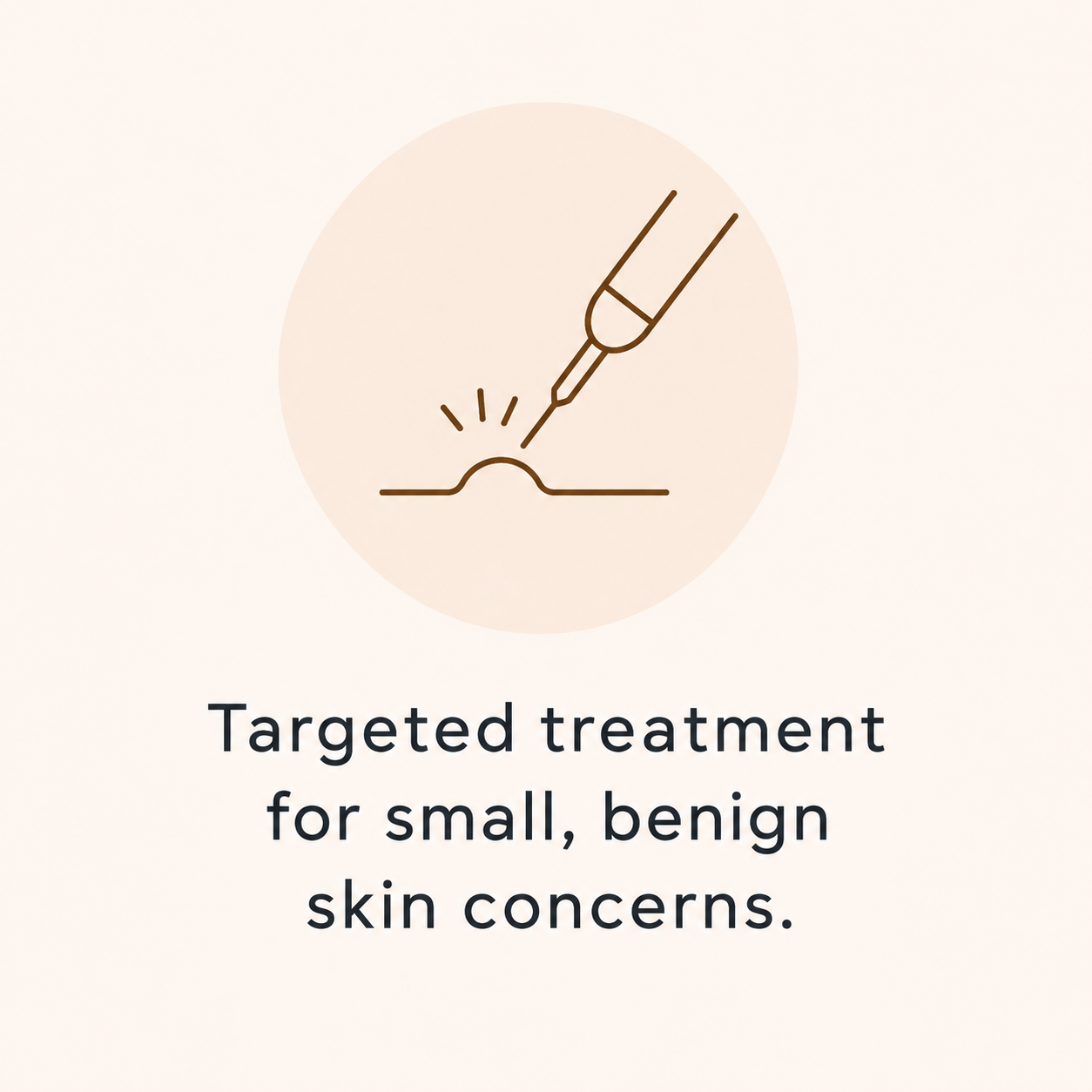
Diathermy is a minimally invasive treatment that uses a fine, controlled electrical current to treat small, benign skin concerns with precision.
What is Diathermy?
Diathermy delivers a controlled, high-frequency current through a very fine probe. The energy creates localised heat at the treatment site, allowing your clinician to treat a specific concern while minimising impact on the surrounding skin.
Following treatment, a small crust forms over the area and falls away naturally as the skin heals.
What Can Diathermy Treat?
Diathermy may be considered for small, benign (non-cancerous) concerns, including:
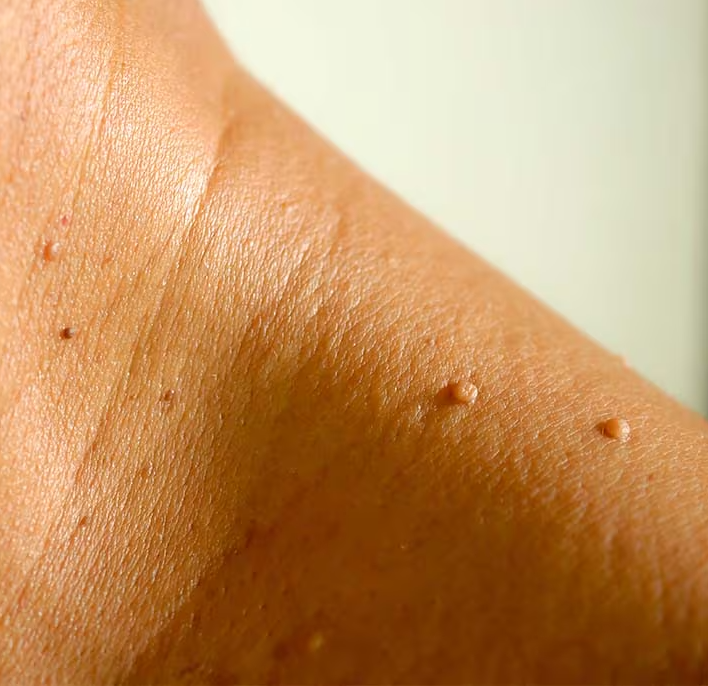
Skin tags
Cherry angiomas (small red spots)
Milia
Sebaceous hyperplasia
Seborrhoeic keratoses (age spots)
Fine facial capillaries
Other small, benign raised lesions
Not every concern is suitable for diathermy. Any new, changing or unusual skin lesion should be assessed by a doctor before treatment.
Is Diathermy Right for Me?
Diathermy is not suitable for everyone.
At Fountain Skin Clinic, we assess your skin, medical history, so we only recommend treatments that are safe and suitable for you.
If a lesion looks unusual or requires further investigation, we will refer you for medical assessment before considering treatment.
In some cases, diathermy may be recommended as a standalone treatment or alongside other treatments as part of a broader plan.
What Happens During Treatment?
Prior to treatment, your clinician will assess the area and discuss your treatment goals with you.
Once your skin is cleansed, your clinician then uses a fine probe to deliver precise, controlled energy to each lesion. You may feel a brief sensation of heat or a light sting. Treatment is generally quick, and the settings are tailored to the size, depth and type of concern being treated.
Strict aseptic techniques are followed throughout treatment to support a safe treatment environment and optimal healing.
Recovery & Aftercare
Temporary redness, mild swelling and tenderness are common following diathermy. A small scab or crust will form over the treated area and typically falls away within one to two weeks. In some cases, pinkness may linger for a few weeks as the skin heals.
To support healing:
Keep the area clean and follow your clinician's instructions on skincare
Do not pick or scratch the area, and allow any crust to fall away naturally
Avoid makeup on the treated area until it has healed
Avoid direct sun exposure and apply a broad-spectrum SPF 50+ sunscreen daily
As with any skin procedure, there are potential risks, including infection, pigmentation changes, scarring and recurrence of the treated concern. These will be discussed during your consultation.
How Many Treatments Will I Need?
The number of sessions depends on the type, size and number of concerns being treated. Many lesions can be treated in a single session, while others may require more than one treatment. Your clinician will discuss what to expect, including how many sessions you're likely to need, during your consultation.
Book Online
Treatment at a Glance
Meet Laura - Dermal Therapist
With a personalised and considered approach to skin health, Laura understands that no two people - or their skin concerns - are ever quite the same. She enjoys the complexity of skin and the opportunity to develop tailored treatment plans that address each individual's unique needs.
Laura’s approach is grounded in listening, understanding what matters most to each client and setting realistic expectations. Rather than chasing quick fixes or the latest skincare trends, she advocates for simple, effective routines, evidence-based treatments and a focus on long-term skin health.